

While reading research articles allows us to provide optimal intervention in our rehab and medical interventions, reading material other than research articles can be of great value to our practice. Additionally, reading is also an effective way of attaining occupational balance. I recently came across this Penguin Random House post that states three benefits of reading: (1) reduces stress (2) develops social skills and empathy and (3) improves memory and cognitive skills.
Textbooks are the gold standard of obtaining information on a medical diagnosis. However, novels can also be of value to bring a different level of understanding of living with an individual with a certain condition, which can be invaluable with treatment planning and providing support to caregivers.
My most recent Reading as an Occupation post reminded me of how to approach the needs of a client with a degenerative neurological disorder as presented in Every Note Played. Sitting down with a book or novel that is medically based and asking yourself how the information contained in the book can be used in your rehab or medical practice can add another layer of understanding beyond the information learned in textbooks or in your academic training.
The books below are quality books that are easy to read but filled with a wealth of information that can positively impact the practice of healthcare professionals.
In addition to medically based books, I also included some self-help books and novels that I found to be perfectly written. With the self-help recommendations, the list is short, but mighty! In the end, the recommendations are books that allows healthcare professionals across all practice settings to be present, consistent, and in a space of mental growth. For occupational balance, the books are a mix of well-written books on a variety of topics from marriage to mysteries and everything in-between. These books can work as a stress reducer, taking you into a different world that shifts your perspective.
Recommendations for Healthcare Professionals Practice

http://Being Mortal: Illness, Medicine, and What Matters in the End by Atul Gawande 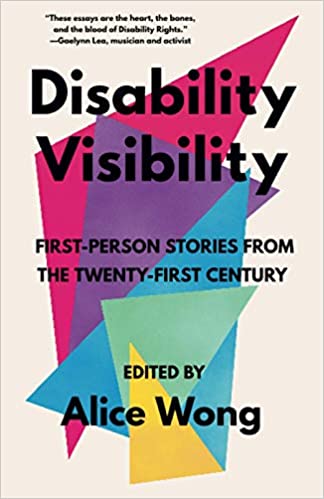
http://Disability Visibility: First-Person Stories from the Twenty-First Century by Alice Wong 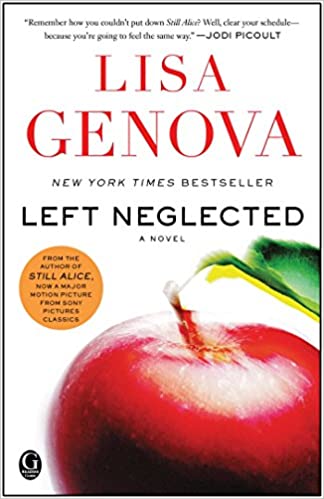
http://Left Neglected by Lisa Genova 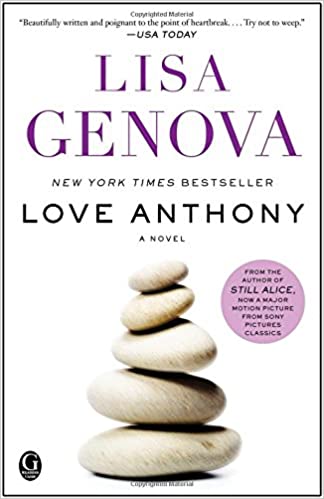
http://Love Anthony by Lisa Genova 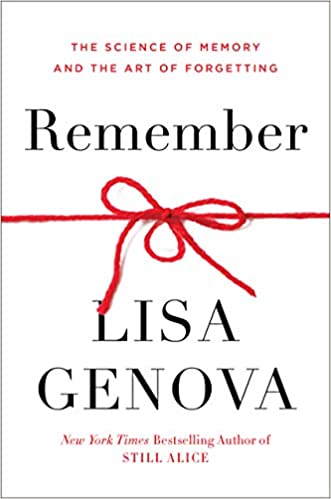
Remember: The Science of Memory and the Art of Forgetting by Lisa Genova 
http://Shaping Your New Normal: Navigating Your Life After the Global Covid-19 Pandemic by Michelle Green 
http://The Collected Schizophrenias: Essays by Esmé Weijun Wang 
http://The Memory Keeper’s Daughter by Kim Edwards 
http://The Reason I Jump: The Inner Voice of a Thirteen-Year-Old Boy with Autism by Naoki Higashida
Recommendations for Healthcare Professionals Practice
Recommendations for Self-Improvement

http://Atomic Habits: An Easy & Proven Way to Build Good Habits & Break Bad Ones by James Clear 
http://Deep Work: Rules for Focused Success in a Distracted World by Cal Newport 
http://Digital Minimalism: Choosing a Focused Life in a Noisy World by Cal Newport 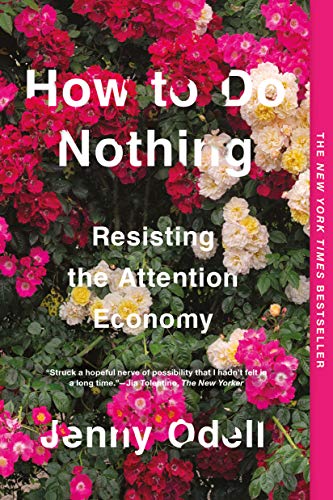
http://How to Do Nothing: Resisting the Attention Economy by Jenny Odell, Jenny 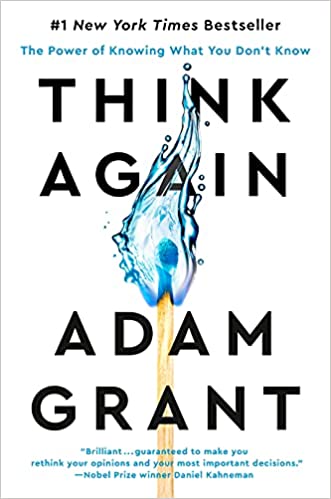
http://Think Again: The Power of Knowing What You Don’t Know by Adam Grant
Recommendations for Self-Improvement
Recommendations for Occupational Balance

http://An American Marriage by Tayari Jones 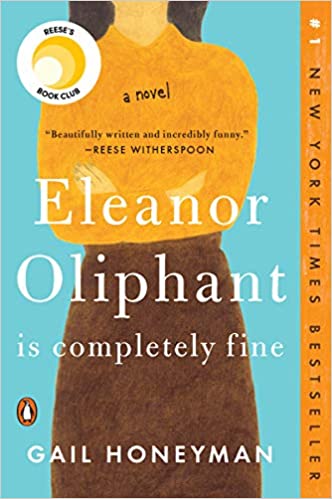
http://Eleanor Oliphant Is Completely Fine by Gail Honeyman 
http://Paris for One and Other Stories by Jojo Moyes 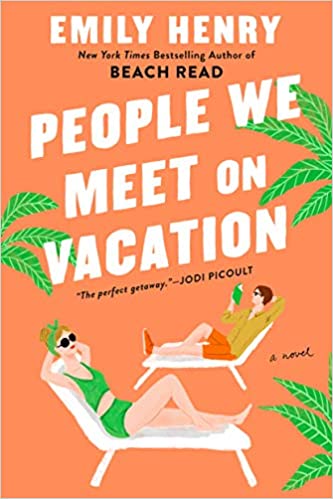
http://People We Meet on Vacation by Emily Henry 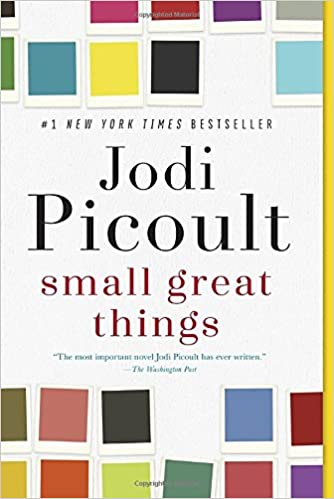
http://Small Great Things by Jodi Picoult 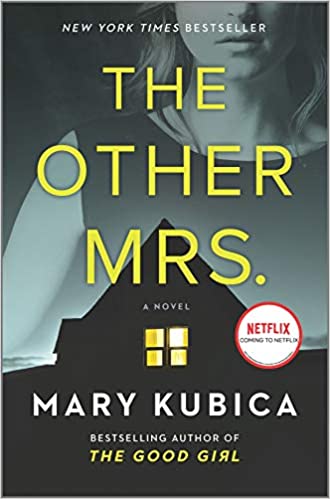
http://The Other Mrs by Mary Kubica 
http://This Is How It Always Is: by Laurie Frankel 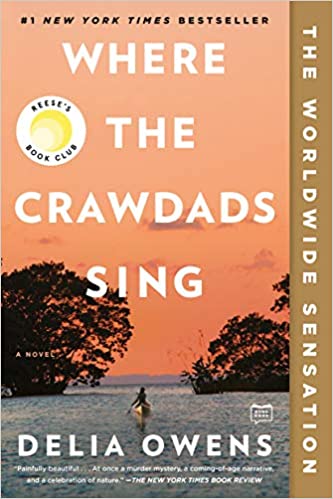
http://Where the Crawdads Sing by Delia Owens
Recommendations for Occupational Balance
With such a long list, you may be reading beyond the summer and into fall!
Any recommendations? What is your summer reading list?
 OT Research Corner